

Introduction
For many, riding a motorcycle means freedom and focus. Music, navigation, and calls can boost enjoyment and make trips smoother. That is where good earphones for helmets come in.
Regular earphones under a helmet can be uncomfortable, sound poor, or be unsafe. Earphones made for helmet use solve these issues: they fit comfortably, stay put, and keep you connected to critical sounds.
This post explains how to select the best headphones for wearing a helmet. Learn about types, features, safety tips, and FAQs, all designed for riders who value comfort, clarity, and control.
What Are Good Earphones for Helmets
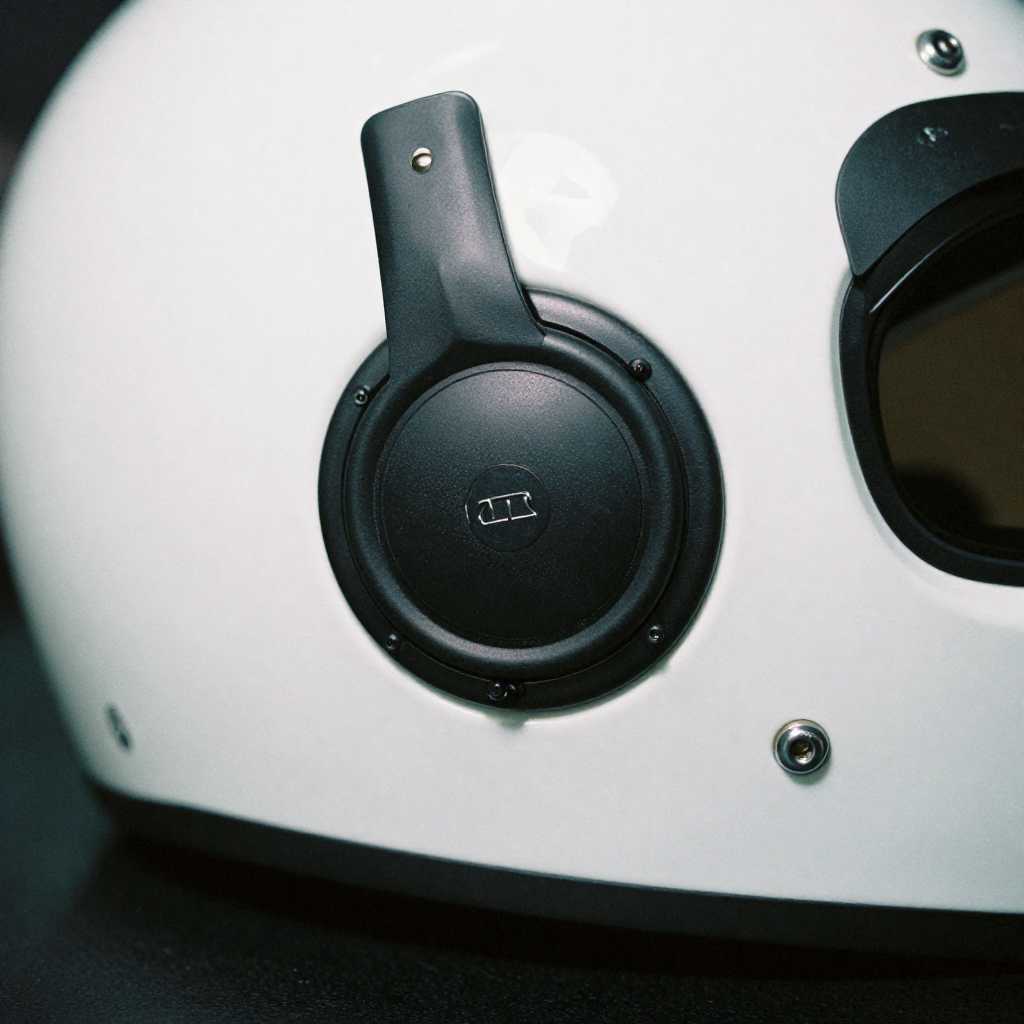
Good earphones for helmets are earphones that can be worn comfortably under a motorcycle helmet without causing pain, pressure, or distraction. They are designed or selected to work well in tight spaces, with wind noise, and for long riding hours.
These earphones focus on:
- Slim and low-profile design
- Stable fit that does not move when wearing or removing a helmet
- Clear audio at low volume
- Comfort during long rides
They are different from regular earphones that are made mainly for casual use, like walking or gym workouts.
Why Regular Earphones Do Not Work Well with Helmets
Many riders try to use normal earphones and quickly realize the problem. Here is why standard earphones often fail under helmets:
- They stick out and press against the helmet padding.
- They fall out when putting the helmet on or off.
- They cause ear pain after a short ride.
- Sound quality drops due to wind noise
- Wired earphones create cable tangles and distractions.
This is why choosing helmet-friendly earphones is important for both comfort and safety.
Types of Earphones Suitable for Helmet Use
Not all earphones are the same. Below are the main types that riders commonly use.
In-Ear Low Profile Earphones
These are small, slim earphones that sit deep in the ear canal.
Pros
- Very compact design
- Good noise isolation
- Affordable and widely available
Cons
- It can block too much outside sound if the volume is high.
- Fit depends on ear shape.
Best for: Riders who want simple, budget-friendly earphones for short to medium rides.
Bluetooth Wireless Earphones
Wireless earphones remove the hassle of cables and offer more freedom.
Pros
- No wires to manage
- Easy connection to phone or GPS
- Clean and minimal setup
Cons
- The battery needs to be charged.
- Some models are bulky.
Best for: Daily commuters and touring riders who want convenience.
Open-Ear and Bone Conduction Earphones
These earphones do not go inside the ear canal. They transmit sound through vibration or air conduction.
Pros
- Allows full awareness of traffic sounds
- Very safe for city riding
- Comfortable for long hours
Cons
- Lower bass and sound depth
- More expensive
Best for: Safety-focused riders and city commuters.
Helmet-Mounted Speaker Systems
These are speakers installed inside the helmet near the ears.
Pros
- Designed specifically for helmets
- No pressure on the ears
- Ideal for communication and navigation
Cons
- Higher cost
- Installation required
Best for: Long-distance riders and group riders.
Key Features to Look for in Helmet Earphones
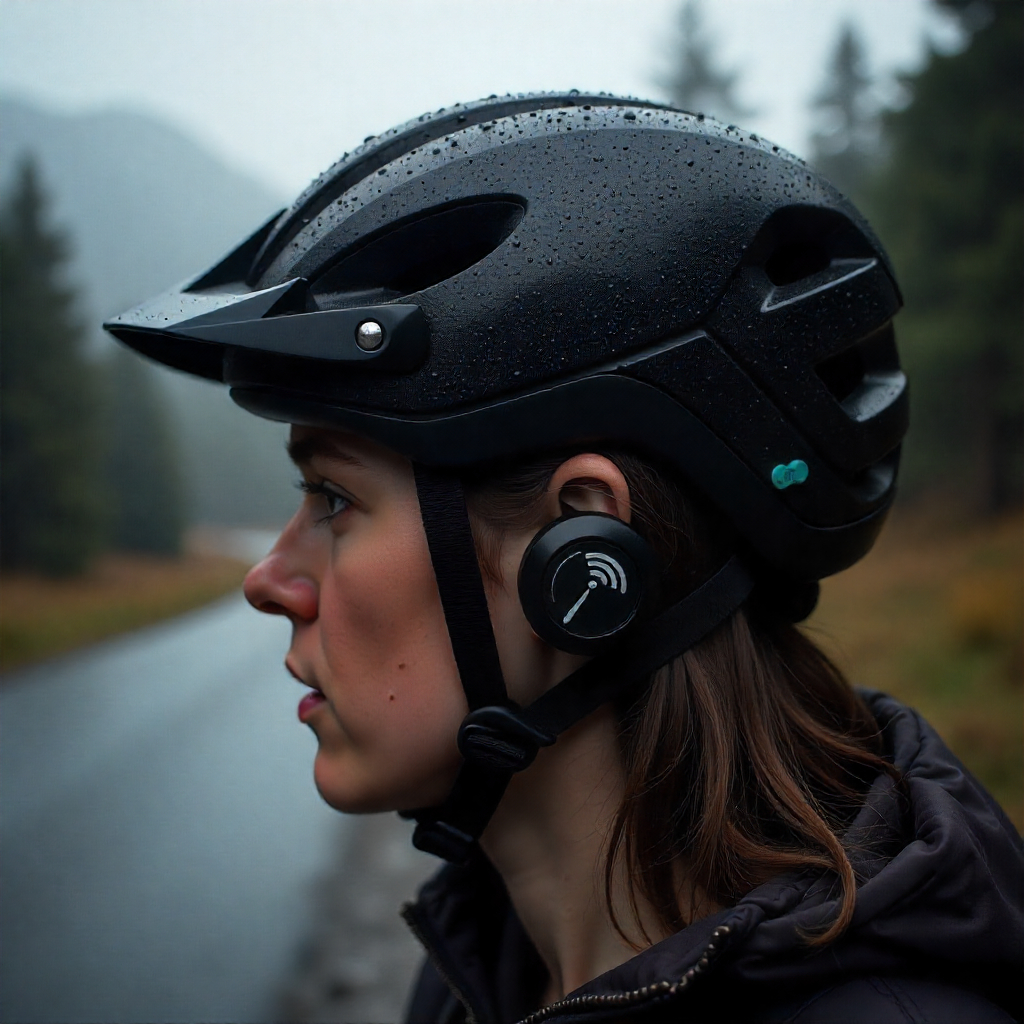
When choosing good earphones for helmets, focus on these essential features.
Low Profile Design
Earphones must be slim so they do not press against the helmet padding.
Secure Fit
They should stay in place when you move your head or wear the helmet.
Sound Clarity at Low Volume
Clear audio at a lower volume is safer.
Noise Isolation or Awareness
Choose based on your riding style. Some riders prefer isolation, others need awareness.
Battery Life
For Bluetooth earphones, long battery life is important for touring.
Sweat and Water Resistance
Riding involves heat, sweat, and sometimes rain.
How to Pick the Best Headphones for Your Helmet
Follow this simple step-by-step process.
Step 1: Know Your Helmet Type
Full-face, modular, and open-face helmets all fit differently.
Step 2: Decide Your Riding Purpose
- Music
- Navigation
- Calls
- Group communication
Step 3: Choose Wired or Wireless
Wireless is more convenient, wired is more affordable.
Step 4: Check Comfort Reviews
Look for rider reviews that mention helmet comfort.
Step 5: Test Fit Before Long Rides
Always test on short rides first.
Step-by-Step: How to Wear Earphones Comfortably Under a Helmet
- Insert earphones properly before wearing the helmet.
- Hold the helmet straps wide while putting it on.
- Avoid twisting or forcing the helmet.
- Adjust the earphones once the helmet is on.
- Check for pressure points before riding.
This simple method reduces ear pain and improves stability.
Safety Tips for Using Earphones While Riding

- Make sure the volume is low enough to hear traffic..
- Avoid noise-canceling modes in busy areas.
- Do not adjust earphones while riding.
- Follow local traffic laws.
- Stop riding if earphones distract you.
Remember, safety always comes before entertainment.
Common Mistakes Riders Make
- Using bulky earphones
- Playing music too loudly
- Choosing style over comfort
- Ignoring battery life
- Not testing earphones before long trips.
Avoiding these mistakes improves both comfort and safety.
Who Should Use Helmet-Friendly Earphones
Good earphones for helmets are ideal for:
- Daily motorcycle commuters
- Long-distance touring riders
- Delivery riders
- Adventure riders
- Scooter users
Anyone who rides regularly can benefit from the right setup.
Conclusion
Choosing good earphones for helmets is not about luxury. It is about comfort, safety, and practicality. The right earphones enhance your riding experience without distracting you from the road.
Whether you prefer in-ear, wireless, open-ear, or helmet-mounted systems, the key is to choose earphones designed for helmet use. Focus on low-profile design, secure fit, and safe audio levels.
With the right choice, every ride becomes smoother, more enjoyable, and more connected.
Frequently Asked Questions (FAQ)
1. Are earphones legal to use while riding a motorcycle?
Laws vary by country. In many places, using one earphone is allowed, but using both may be restricted.
2. Can I use normal earphones under a helmet?
You can, but they often cause discomfort and safety issues. Helmet-friendly earphones are a better choice.
3. Are Bluetooth earphones safe for helmet use?
Yes, if they fit well and volume is kept low.
4. What is the safest type of earphones for riders?
Open-ear or bone conduction earphones are considered the safest.
5. Do earphones damage hearing while riding?
High volume over long periods can damage hearing. Always keep the volume moderate.
6. Can earphones fall out when removing the helmet?
Poor-fitting earphones can. A secure fit reduces this risk.
7. Are helmet speaker systems better than earphones?
For long rides and communication, helmet speakers are often more comfortable.

I am Riad khan. I am blogger about teach
Leave a Reply